
Best Ski Wax for Bulgarian Conditions

Complete Guide for Local Snow
Choosing the best ski wax for Bulgarian conditions requires understanding how snow behaves in resorts like Bansko, Borovets, and Pamporovo.
Bulgarian ski resorts often combine natural and artificial snow, with frequent temperature fluctuations and freeze–thaw cycles. This makes proper wax selection essential for consistent glide and control.
Understanding Snow Conditions in Bulgaria
Unlike stable alpine climates, Bulgarian winter conditions can change rapidly within a single day.
Common scenarios include:
• Cold mornings with hard-packed snow
• Midday temperature increases
• Artificial snow on high-traffic slopes
• Repeated freeze–thaw cycles
These factors affect friction levels and require temperature-specific ski wax.
Ski Wax for Cold Bulgarian Conditions
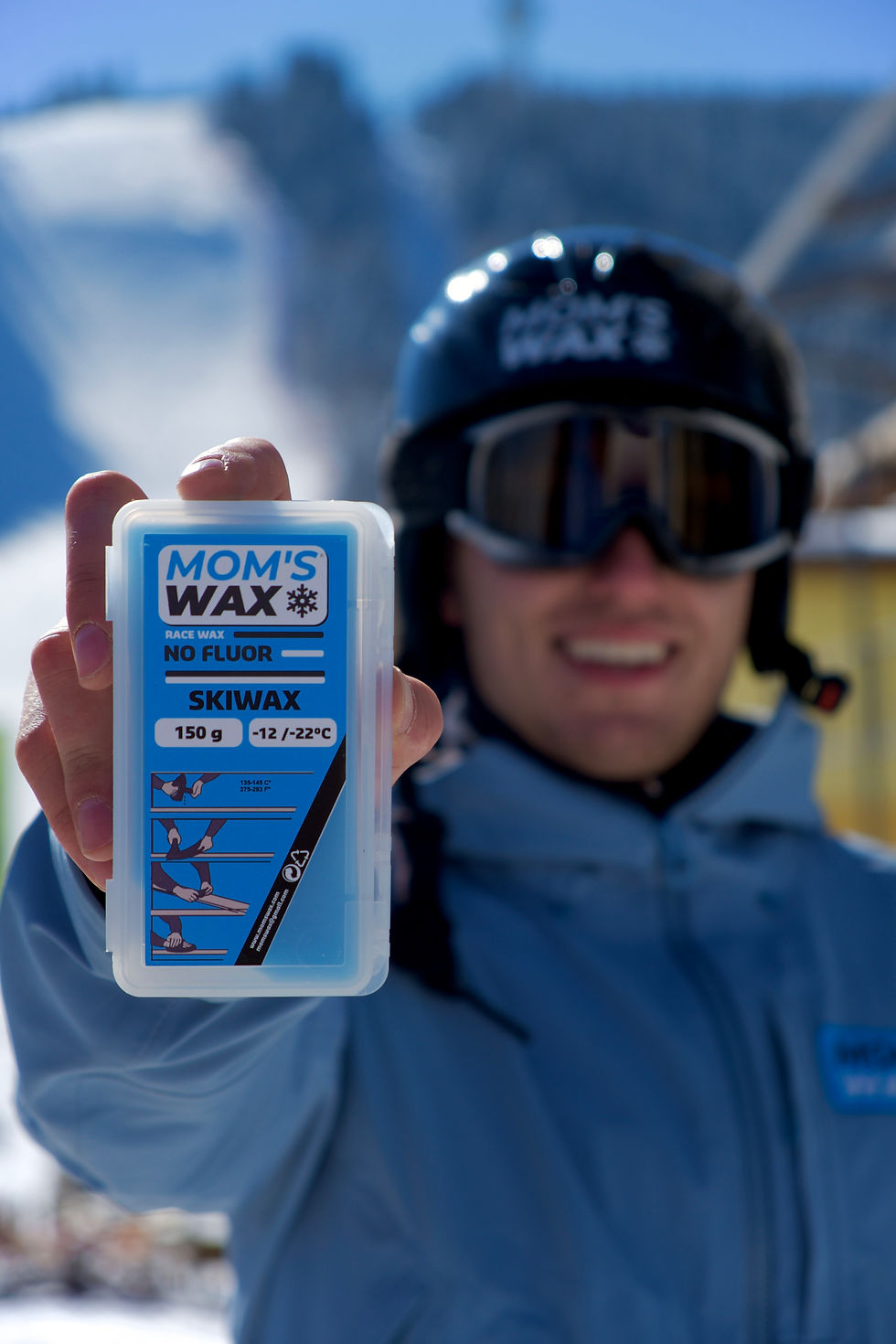
When temperatures drop below -10°C, snow becomes more abrasive and dry.
For cold conditions:
• Use hard, cold-temperature wax
• Focus on durability and abrasion resistance
Cold snow increases base wear, so proper waxing protects the ski base while maintaining glide.
Ski Wax for Mixed and Variable Conditions
Most Bulgarian ski days fall within the -8°C to +2°C range.
For mixed conditions:
• Choose versatile mid-range formulas
• Re-wax more frequently during heavy traffic days
This is the most common scenario in Bulgarian resorts, especially during peak season.
Ski Wax for Artificial and Dirty Snow
Artificial snow is common in Bulgarian ski areas, especially early and late season. It is often harder and more contaminated.
In these conditions:
• Static friction is reduced
• Performance remains more consistent
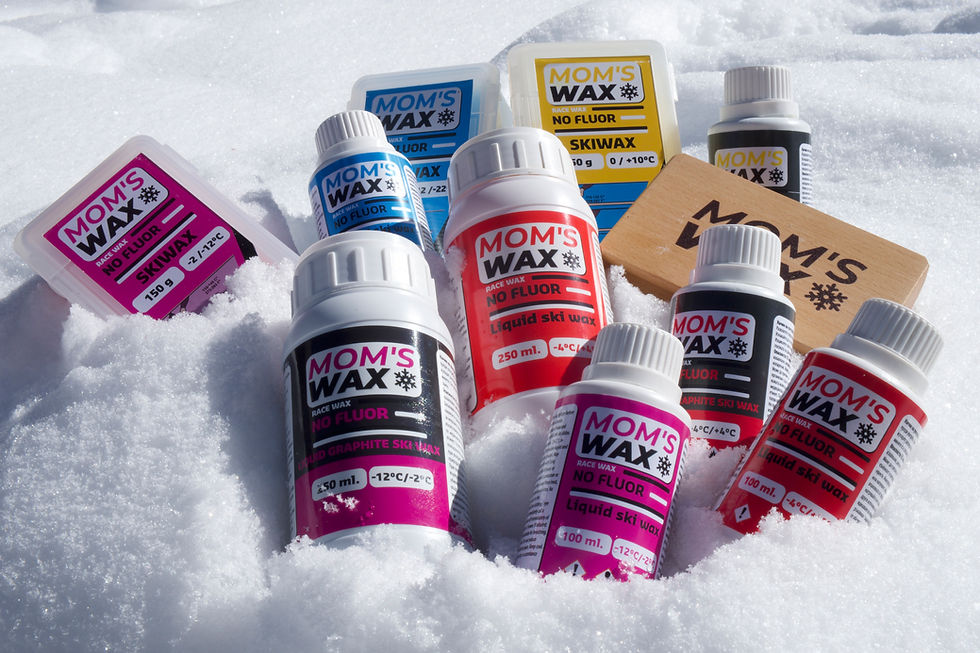
Graphite wax is particularly useful on slopes that experience repeated grooming and heavy skier traffic.
Liquid vs Hot Wax for Bulgarian Ski Resorts
For weekend skiers and short trips:
• Liquid ski wax offers fast application
• Ideal for quick preparation before a ski day
For longer stays or intensive skiing:
•
provides deeper penetration
• Offers longer-lasting durability
Many experienced skiers combine both methods — hot wax for base preparation and liquid wax for quick maintenance.
How Often Should You Wax in Bulgaria?
Due to artificial snow and variable temperatures, waxing frequency should be higher than in stable alpine regions.
Recommended:
• Every 3–4 ski days in peak season
• After skiing on abrasive artificial snow
• Before race or long ski sessions
Frequent maintenance ensures consistent performance.
Conclusion: Smart Wax Selection for Bulgarian Snow
The best ski wax for Bulgarian conditions depends on temperature, snow type, and skiing intensity.
Cold days require harder wax. Mixed conditions require mid-range formulas. Artificial snow benefits from graphite-enhanced options.
Understanding local snow patterns allows you to prepare strategically and maintain optimal glide throughout the season.
Well-matched wax means smoother runs, better control, and longer-lasting skis.
If you want a deeper understanding of how temperature and snow conditions affect performance, read our complete ski wax guide.

Comments