
Essential Ski Equipment for Every Skier

Complete Guide to Ski Gear
Having the right ski equipment is the foundation of performance, comfort, and safety on the slopes. Whether you are a beginner learning basic turns or an experienced skier pushing higher speeds, choosing proper ski gear directly affects your control and confidence.
Investing in essential ski equipment is not about luxury. It is about skiing efficiently and safely in different snow conditions.
Choosing the Right Ski Equipment for Your Level
Selecting ski equipment should always start with your skiing level and preferred terrain.
Skis should match your ability and skiing style. Beginners benefit from shorter skis with softer flex, which offer easier control and smoother turns. Advanced skiers typically prefer longer and stiffer skis for stability and speed.
Bindings must be compatible with your ski boots and properly adjusted. Correct binding settings reduce injury risk by releasing during falls.
Ski boots are the most important piece of ski gear. A snug, performance-oriented fit ensures control and comfort. Poorly fitted boots reduce responsiveness and can cause pain after long ski days.
Ski poles help maintain rhythm and balance. The correct length allows your elbows to rest at approximately 90 degrees when holding them.
Choosing the right ski equipment improves technique and reduces fatigue.
Essential Ski Equipment for Safety and Comfort
Beyond skis and boots, protective ski gear is critical for safety and thermal protection.
A ski helmet is non-negotiable. Modern helmets are lightweight, ventilated, and designed to absorb impact while maintaining comfort.
Ski goggles protect against wind, snow glare, and UV exposure. Lens selection should match weather conditions, with darker lenses for sunny days and lighter lenses for cloudy or snowy environments.
Waterproof ski jackets and ski pants keep you dry and insulated. Breathable materials prevent overheating during intense activity.
Gloves or mittens should be insulated and water-resistant. Mittens retain more heat, while gloves provide better dexterity.
Moisture-wicking base layers regulate body temperature by keeping sweat away from the skin. High-quality ski socks provide cushioning and prevent blisters.
Wearing proper ski clothing reduces the risk of frostbite, hypothermia, and discomfort.
How to Maintain Your Ski Equipment for Maximum Performance
Proper ski equipment maintenance extends lifespan and preserves performance.
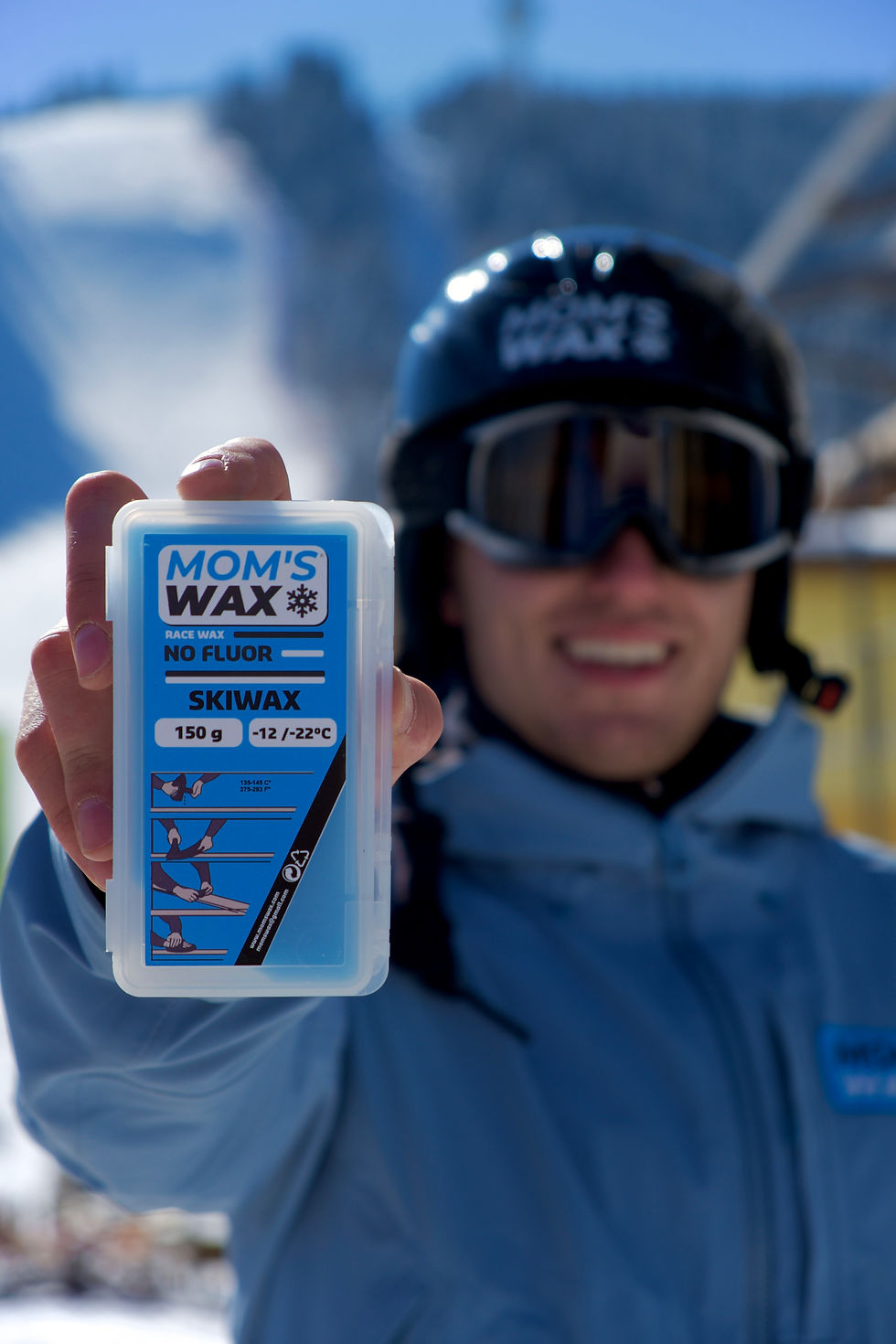
Regular ski waxing keeps the ski base smooth and fast. Waxing reduces friction and protects the base from drying out.
Edge sharpening improves grip on icy slopes and enhances carving precision. Sharp ski edges increase stability and control.
Dry ski boots thoroughly after each use to prevent odor and material damage. Store them in a cool, dry place.
Have bindings inspected and adjusted at the beginning of each season to ensure correct release settings.
Follow care instructions for ski clothing to maintain waterproof membranes and insulation properties.
Consistent maintenance protects your investment and ensures reliable performance.
Additional Ski Accessories That Improve Your Experience
Some additional ski accessories can significantly improve comfort during long ski days.
A lightweight ski backpack allows you to carry water, snacks, and extra layers.
For off-piste skiing, avalanche safety equipment such as a beacon, probe, and shovel is essential.
Hand and foot warmers provide additional comfort during extremely cold conditions.
Sunscreen and lip balm protect against sunburn at high altitude.
Proper hydration systems help maintain energy levels throughout the day.
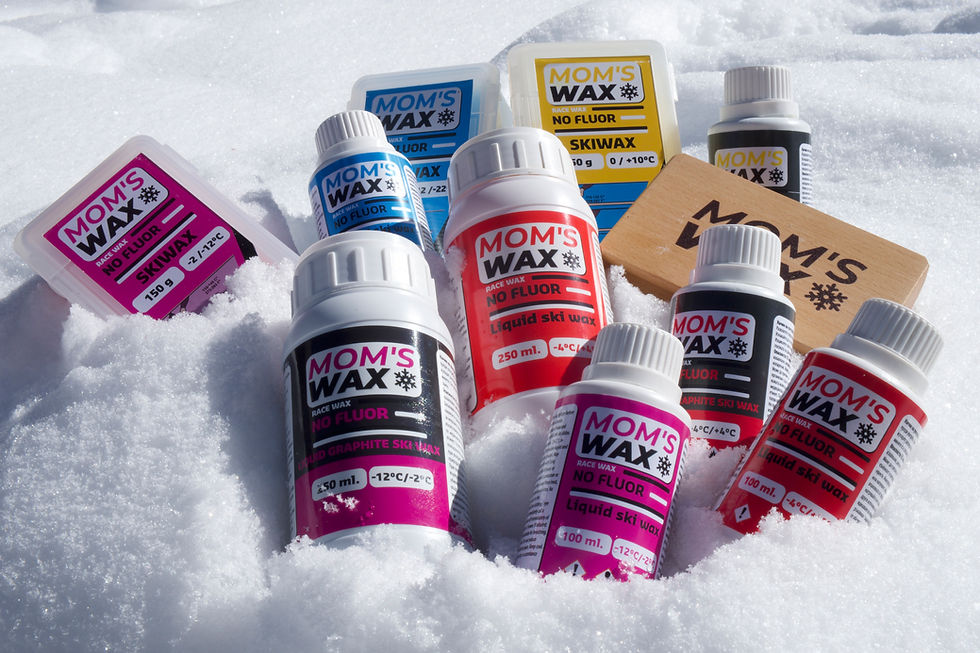
Liquid ski wax for easy and fast ski wax application.
While not mandatory for every skier, these accessories enhance safety and comfort.
Preparing for a Successful Ski Trip
Preparation plays a major role in skiing performance.
Check weather forecasts and snow conditions before departure. This helps you select appropriate ski wax, clothing, and equipment.
Pack your ski gear in advance to avoid last-minute stress.
Inspect skis, boots, and bindings before your trip to confirm proper fit and functionality.
Familiarize yourself with the ski resort map and slope difficulty levels.
Following basic preparation steps allows you to focus on skiing rather than equipment problems.
Conclusion: Essential Ski Equipment Matters
Having the right essential ski equipment directly affects your safety, comfort, and performance on the mountain.
From selecting skis and boots to maintaining sharp edges and properly waxed bases, every detail contributes to a better skiing experience.
Preparation and maintenance are what separate average ski days from exceptional ones.

Comments