
The Advantages of Using Liquid Ski Wax

Why It’s the Smart Choice
Liquid ski wax has become one of the most practical solutions for modern ski maintenance. Whether you are skiing recreationally or training regularly, using liquid wax can significantly improve glide performance while saving time.
Unlike traditional hot waxing, liquid ski wax offers fast application, reliable protection, and consistent results across various snow conditions.
Why Choose Liquid Ski Wax?
The main advantage of liquid wax for skis is convenience without sacrificing performance.
• Requires no ironing
• Does not require scraping
• Dries quickly
• Is easy to apply anywhere
• Provides reliable base protection
For skiers who want efficiency and flexibility, liquid wax simplifies ski maintenance while maintaining strong glide characteristics.
It is especially valuable during ski trips when access to full waxing equipment is limited.
How Liquid Ski Wax Improves Glide Performance
Glide performance depends on reducing friction between the ski base and snow. Liquid ski wax forms a thin hydrophobic layer that helps repel moisture and minimize drag.
This is particularly effective in:
• Wet snow
• Spring snow
• Artificial snow
• Mixed temperature conditions
By reducing moisture adhesion, liquid wax prevents snow build-up under the base and maintains smooth transitions between turns.
Consistent glide also improves control and reduces physical effort, especially on long ski days.
Liquid Ski Wax vs Traditional Hot Wax
Traditional hot wax penetrates deeper into the ski base and is often preferred for racing or extreme conditions. However, it requires more time, tools, and experience.
Liquid ski wax offers:
• Faster preparation
• Portable application
• Minimal equipment
• Cleaner process
• Quick drying time
For everyday skiing and recreational use, liquid wax provides a practical balance between performance and convenience.
Many skiers use liquid wax between hot waxing sessions to maintain glide and protect the base.
How to Apply Liquid Ski Wax Correctly
Proper application ensures maximum effectiveness.
Clean the ski base thoroughly to remove dirt and old wax residue.
Shake the liquid wax bottle well.
Apply a moderate amount of liquid ski wax evenly across the base.
Spread the wax using a microfiber wax applicator to ensure uniform coverage.
Allow the wax to dry completely, typically 10–15 minutes.
Lightly brush or buff the base for improved glide.
Using a microfiber applicator ensures even distribution without leaving fibers or uneven layers.
This process can be done quickly before skiing or even during a break on the slopes.
Choosing the Right Liquid Ski Wax
Selecting the right liquid ski wax depends on temperature range and snow conditions.
Consider:
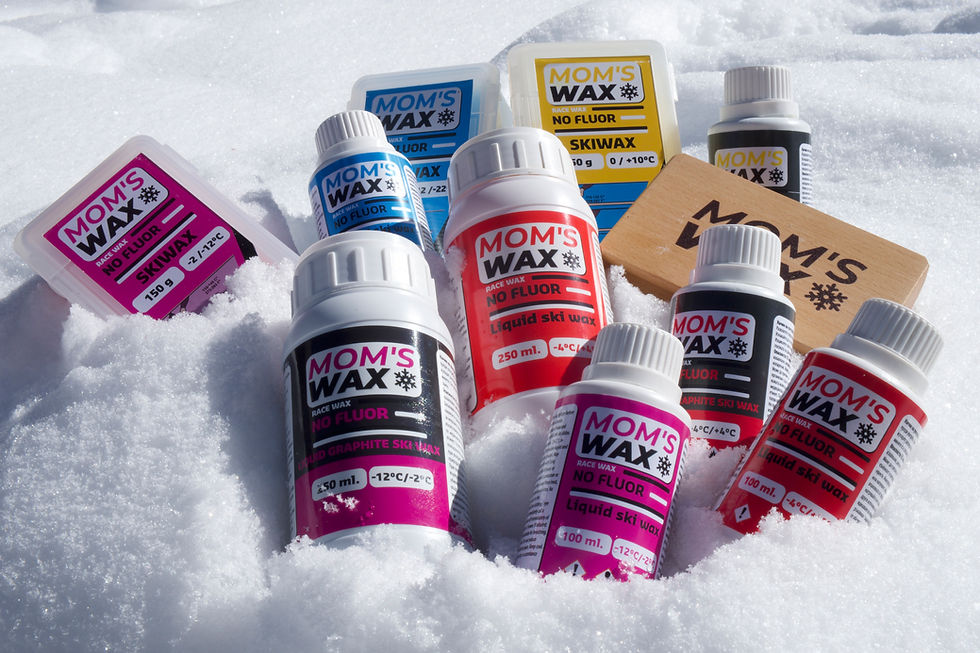
• Cold temperature formulas for low temperatures
• Warm temperature formulas for spring or wet snow
• Graphite liquid wax for dirty or transformed snow
• Fluor-free options for environmentally responsible skiing
Matching the wax to conditions improves both durability and glide efficiency.
Maintaining Your Skis with Liquid Wax
Liquid wax plays an important role in long-term ski maintenance.
Regular use:
• Protects the ski base from oxidation
• Maintains surface conditioning
• Reduces base drying
• Extends time between hot waxing sessions
Applying liquid ski wax every few ski days keeps performance consistent throughout the season.
Conclusion: Is Liquid Ski Wax Worth It?
Liquid ski wax is a smart solution for skiers who value efficiency, portability, and reliable performance.
It enhances glide, protects the ski base, and simplifies ski maintenance without complicated tools.
For recreational skiers, frequent travelers, or those needing quick touch-ups, liquid wax is not just convenient — it is strategically effective.
If you want a deeper understanding of how temperature and snow conditions affect performance, read our complete ski wax guide.

Comments